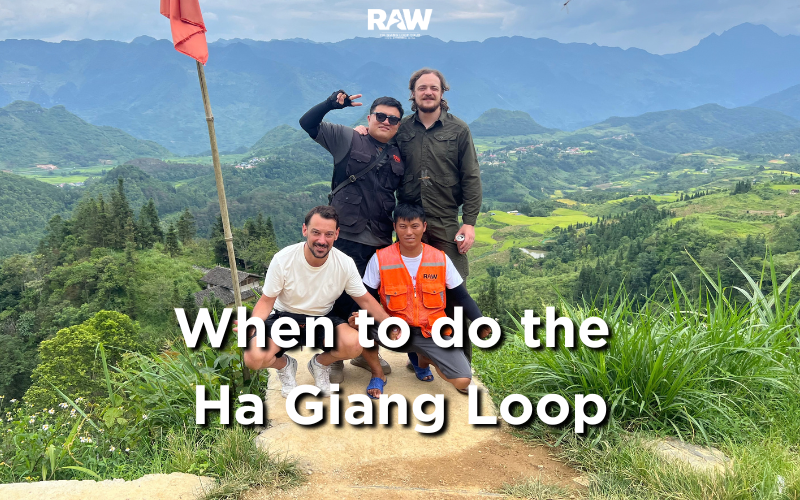
If you are wondering when the ideal time is to conquer the Ha Giang Loop, the answer is that Ha Giang changes its colors with every season, as each moment brings a completely different look. There is no single answer for everyone, because the best time entirely depends on the experience you are looking for. In this article, RAW will accompany you in exploring and choosing the departure time for the Ha Giang Loop that best fits your personal travel style!
Table of Contents
ToggleWhat is the best time to do the Ha Giang Loop?
For most travelers, October is the absolute best time to conquer the Ha Giang Loop. The weather turns cooler than in summer, rainfall drops significantly compared to July and August, and the rocky plateau transforms into an astonishing beauty thanks to the golden ripe rice season and the early blooming buckwheat flowers. If you want the most complete experience, the period from September to October is the golden window featuring golden terraced fields, clear skies, crisp air, and mountain scenery so stunning it looks like Photoshop.
If you prioritize easier roads and less driving pressure, the period from March to May is the safest choice due to dry roads, clear visibility, and fewer challenging hairpin curves on the mountains.
Do you want to admire a lush green Ha Giang without the crowds? Early June is the perfect time right before the heavy rains arrive. Please note that from July and August, the rain comes down very fast and hard, and it is definitely not the romantic kind of rain you see in movies.
Trip Criteria | Ideal Time | What You Will Experience |
Overall Best Conditions | Late September – Early November | Crisp air, excellent visibility, and impressive autumn scenery |
Golden Rice Season | September – Early October | Golden fields and scenes from the harvest season |
Buckwheat Flower Season | October – November | Soft pink and purple flower carpets covering the plateau hillsides |
Peach and Plum Blossoms | February – March | Vibrant spring colors and the fresh atmosphere of the highlands |
Lush Green Terraced Fields | May – Early June | Vibrant green fields full of life before the heavy rains |
Peaceful Roads & Mist | December – February | Freezing early mornings, fewer tourists, and a mystical, hazy landscape |
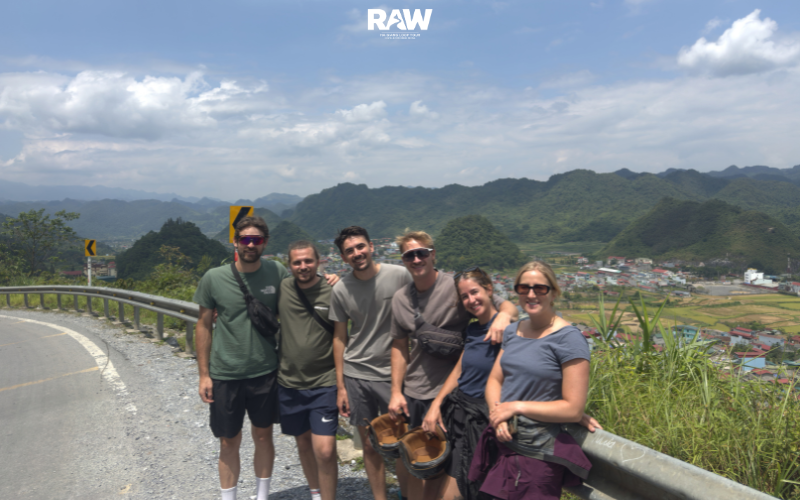
Why is timing so important when doing the Ha Giang Loop?
The Ha Giang Loop is not a flat sightseeing route. This path winds through steep mountain passes, narrow roads, open-air viewpoints, and wild valleys around areas like Yen Minh, Dong Van, and Meo Vac. At high altitudes, the weather changes extremely quickly.
This route cuts across treacherous passes, tiny villages, and remote lands belonging to the Dong Van karst plateau. And the weather? It can completely change your experience:
- Ideal weather: Brings dry roads, top-notch visibility, and clear spaces for you to comfortably stop for photos and confidently conquer the curves.
- Unfavorable timing: Comes with thick fog, soaked clothing, slippery curves caused by heavy rain, or biting cold winds that make a long day of motorbike riding extremely harsh, even creating a subtle sense of panic when stuck right in the middle of a pass.
Many backpackers finish this loop and just want to come back for another ride. Others leave soaked, freezing, and wondering what wrong choice they made. Your departure time is the factor that makes that difference.
Average climate data serves only as a reference because Ha Giang has a very distinct rainy season. The weather also differs between Ha Giang city and the higher sections on the passes, so always check the actual conditions before setting off each morning.
=> Read more: How much does the Ha Giang Loop cost? A detailed budget guide
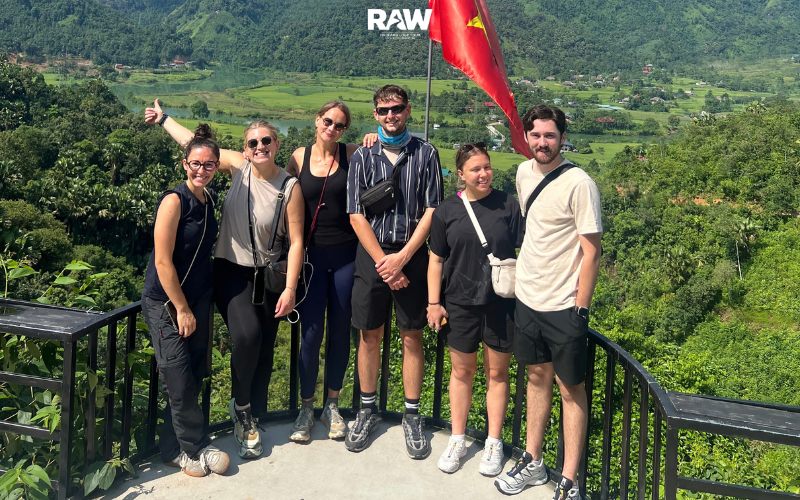
Autumn (September – November): the best time to conquer the Ha Giang Loop
Autumn is considered the favorite and most popular season to embark on the Ha Giang Loop journey. At this time, temperatures begin to cool down after the scorching summer, skies are generally clearer, the mountain air becomes fresh, the roads are easier to judge, and rainfall decreases significantly. According to WeatherSpark, the period from mid-October to early December is one of the ideal timeframes for outdoor activities in Ha Giang.
September and early October: The golden ripe rice season
If your main goal is to take photos of terraced fields, plan your trip for late September or early October. Depending on the altitude and farming schedule each year, the fields shift from green to golden hues as the harvest season approaches.
- Hoang Su Phi is famous for its breathtaking terraced field landscapes.
- Viewpoints around Yen Minh and the Dong Van Karst Plateau offer majestic limestone mountain scenery that creates a unique character for the route.
Since the harvest time can vary by region, you should ask your homestay host or local guide to find out which valley looks the best when you arrive. Keeping an itinerary flexible is often more helpful than trying to guess the exact peak week many months in advance.
October and November: The buckwheat flower season
October and November are tied to fields of blooming buckwheat flowers across Ha Giang. This flower adorns the plateau landscape with shades of pink, white, and purple, particularly concentrated around rural valleys and festival areas. The exact blooming time can fluctuate, so early November makes a great choice if you want to experience a quieter atmosphere compared to the crowded peak weeks of October.
Highlights and important notes for autumn
- Ideal experience: Autumn is perfect for sunrise viewing, landscape photography, village visits, and scenic strolls. It is also the most comfortable time to spend many hours every day on winding roads.
- Booking advice: Because autumn is the most popular choice for travelers, accommodation and motorbike rental services experience very high demand. You should proactively book your transportation and your first one to two nights of lodging in advance, especially when traveling during holidays or festival seasons.
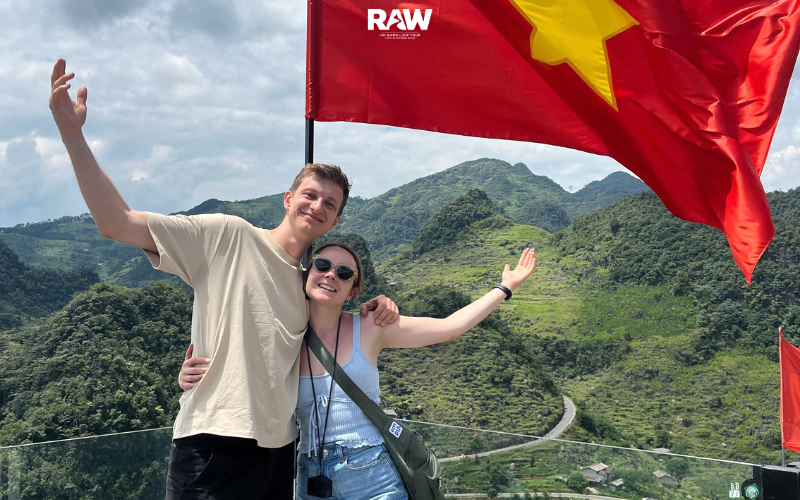
Spring (February – May): The season of blossoms and easy-to-drive roads
Spring serves as an excellent choice for anyone looking for mild weather, fresh green landscapes, and sprouting trees.
Why is spring so popular?
- Weather and driving conditions: Spring brings pleasant temperatures (typically ranging between 18 and 25 degrees Celsius), allowing you to comfortably spend long days on a motorbike without worrying about the heat. The roads are drier than in summer, and visibility is clearer and more reliable—a major advantage when the route features many hairpin curves and steep drops.
- Natural scenery: February and March mark the most attractive time for peach and plum blossoms, splashing soft pink and white tones across villages and hillsides. By April and May, temperatures warm up, landscapes shift to a lush green hue, and the roads liven up without enduring the harsh heavy rains of peak summer.
Spring experiences and atmosphere
- Travel atmosphere: Spring suits travelers wanting a balanced trip: you can enjoy mountain viewpoints, visit local villages, and ride long distances without facing intense heat or heavy rain. The atmosphere in lodges and homestays bustles with energy as travelers share transit tips, snacks, and stories about their “Easy Rider” drivers.
- Who should go in spring?: Spring fits first-timers, photographers, and comfort-seeking travelers remarkably well. It also marks a good window to book all-inclusive tour packages covering motorbikes, lodging, scheduling, and local support.
A Note on Tet: Vietnam’s Lunar New Year usually falls in late January or February, so check the lunar calendar carefully before booking services. During this holiday, arranging transport, accommodation, and bike rentals in small towns can prove more difficult than usual.
Summer (June – August): Lush greenery, wild landscapes, and major challenges
Summer transforms Ha Giang’s mountains into a lush, thriving sanctuary. Vegetation becomes dense, waterfalls grow more majestic, and the landscape takes on a truly wild feel after the rains.
Early Summer (May – Early June): Striking greenery and fewer heavy rains
If ripe rice terraced fields are not your top priority and you want to admire rolling mountains coated in deep green, consider traveling in May or early June.
- Landscapes nourished by rainwater begin to flourish, while water-flooded terraced fields mirror the sky and surrounding hills.
- Early June often serves as the optimal choice for visitors wanting to enjoy this cool green atmosphere without facing the heaviest downpours. The roads remain manageable, and the scenery looks fresh and striking.
- However, as June progresses, the weather turns more humid and unpredictable. Climate records note a significant increase in rainfall from May to June, peaking in July.
Peak Summer (July – August): The downside and harsh challenges
July and August bring sudden torrential downpours, slippery roads, thick fog, and constantly shifting visibility. Mountain rain never announces itself in advance, making flexibility a vital survival tool.
- Climate data identifies July as the rainiest month in Ha Giang, with average rainfall far exceeding autumn and winter levels. Weather spark also describes July as the cloudiest month, accompanied by frequent rainy days throughout the wet season.
- Consequently, July and August are generally not the most ideal times for first-time self-drivers to tackle the Ha Giang Loop.
Tips and who should choose summer?
- Suitable audience: Summer works best for confident drivers and adventure seekers who do not mind changing plans on the fly. If you are a novice motorbike rider or feel uncomfortable on wet mountain roads, consider booking an Easy Rider service (a local driver handles the bike while you sit in the back).
- Essential tips: If travelers still wish to go during this period, bring proper waterproof gear, protect phones and cameras, avoid rushing, and build in extra buffer time between overnight stops. A stretch of road that looks short on the map can take much longer when storm clouds decide to anchor over your route. Never push forward just to stick to a schedule if a local guide advises avoiding a section due to rain, fog, or landslides.
Winter (December – February): The most peaceful time with cinematic scenery
Winter serves as an ideal time to visit the Ha Giang Loop if you value quiet roads, fewer tourists, and a mystical mountain atmosphere over warm weather. Mornings are often blanketed in fog, and limestone peaks peek in and out from beneath low clouds, creating a cinematic beauty that many photographers deeply love.
Challenges to keep in mind
- Piercing cold: The biggest limitation is the cold, especially on windy mountain passes and during early morning rides. According to climate data, Ha Giang city records its lowest average temperatures in January, while higher-altitude regions can feel significantly colder due to wind and humidity.
- Unstable visibility: Winter visibility is also quite unpredictable. You should delay departure if dense fog makes observing the road surface difficult, and always ask your homestay host or guide about actual conditions before heading into the mountain areas.
Tips and preparation
- Clothing: Carefully pack thermal layers, gloves, warm socks, and reliable rain gear instead of relying solely on a regular sweatshirt.
- Transportation choice: For a quieter and safer experience, choosing an Easy Rider service or a guided tour is a very worthwhile option to consider.
What is the worst time to do the Ha Giang Loop?
There is no truly bad season to set off, but July and August are generally considered the most challenging period for anyone wanting to self-drive a motorbike. Heavy rains reduce road grip and visibility, while sudden weather changes can cause delays or force itinerary changes. Even so, this does not mean you must completely avoid this route in summer; the key is balancing actual conditions with your own driving skills and travel style.
If you are a beginner driver, feel uneasy about steering through the rain, or are traveling with children, consider booking a guided tour or an Easy Rider service package. A local driver who understands the terrain well and knows how to handle changing situations flexibly on the road will help lift the stress off your shoulders, allowing you to focus completely on enjoying the scenery instead of straining to navigate every wet curve.
How to prepare for the Ha Giang Loop no matter the season?
Prepare clothing for all types of weather
Pack for various weather conditions even if the forecast looks favorable. Year-round essentials include layered clothing, waterproof jackets and pants, gloves, sunscreen, comfortable closed-toe shoes, and a dry bag. You can experience sun, wind, fog, and rain all in the same day because the mountains are always “unpredictable.” Temperatures between valleys and high mountain passes can also differ noticeably within the exact same day.
Check local real-time conditions every morning
Online weather forecasts provide a helpful general overview, but homestay hosts, guides, and local drivers know best about fog, road damage, ongoing construction, or landslides before that information appears online. Always ask about actual conditions before setting off each morning.
Plan shorter daily driving routes than usual
Plan for shorter driving distances compared to a regular road trip. This route is stunning precisely because of its mountain passes and peaks, and you will definitely want to stop frequently to admire the scenery, take photos, eat, and visit local villages. Reaching your overnight stop before dark matters far more than trying to complete an overly ambitious itinerary.
Choose a Tour Format That Matches Your Abilities
Finally, choose a tour style that fits your level of confidence. Self-driving offers great flexibility, but it requires hands-on motorbike experience and a practical understanding of mountain roads. A guided tour or an Easy Rider package can simplify route planning, accommodation, meals, and safety, on top of choosing the right timing to tackle the Ha Giang Loop.
What is the most perfect time to conquer the Ha Giang Loop?
If you want to find the most complete combination of breathtaking scenery, comfort, and favorable road conditions, the period from late September to early November is the perfect answer, with October rated as the best month for most travelers. Depending on your personal preferences, you can choose to go in September or early October to admire golden ripe terraced fields, October and November to witness the buckwheat flower season, February and March to immerse yourself in vibrant spring blossom colors, or May to early June to explore lush green valleys full of life.
No matter when you choose to set off, always stay mentally prepared for fickle weather changes and keep your itinerary flexible. This route brings completely different pieces through each season: flower-covered hillsides in spring, deep green valleys in summer, golden terraced fields in autumn, and silent, cinematic fog in winter. Choose the timing that best fits your personal tastes, pack your clothing carefully, and proactively book your spot in advance if you travel during peak periods!