
Ha Giang is always on the bucket list of every travel enthusiast, thanks to its majestic natural landscapes, breathtaking mountain passes, and rich highland cultural identity. However, when the summer rains arrive, many wonder whether traveling to Ha Giang during the rainy season is safe and if the trip will still be fulfilling. In reality, with thorough preparation and a flexible schedule, embarking on a Ha Giang Loop adventure during this period allows you to admire the region clad in a vibrant, lush green coat, offering a peaceful atmosphere and unique experiences completely different from the peak season.
Table of Contents
Toggle1. Climate characteristics & Ha Giang weather in the rainy season
1.1. When is the rainy season in Ha Giang?
Featuring terrain with continuous mountain ranges, Ha Giang weather is influenced by both a tropical monsoon climate and high-mountain conditions, resulting in four distinct seasons: spring, summer, autumn, and winter. Due to the complex topography, climate varies significantly across regions. As you reach higher altitudes, temperatures drop sharply; typical karst plateau areas like Dong Van experience harsher weather, with an average annual temperature around 16°C. Overall, Ha Giang has a longer cold season than summer, with average temperatures ranging from 22°C to 24°C, high humidity, and relatively high rainfall. It is precisely this ruggedness that creates a rich natural landscape, establishing the signature brand of Ha Giang travel.
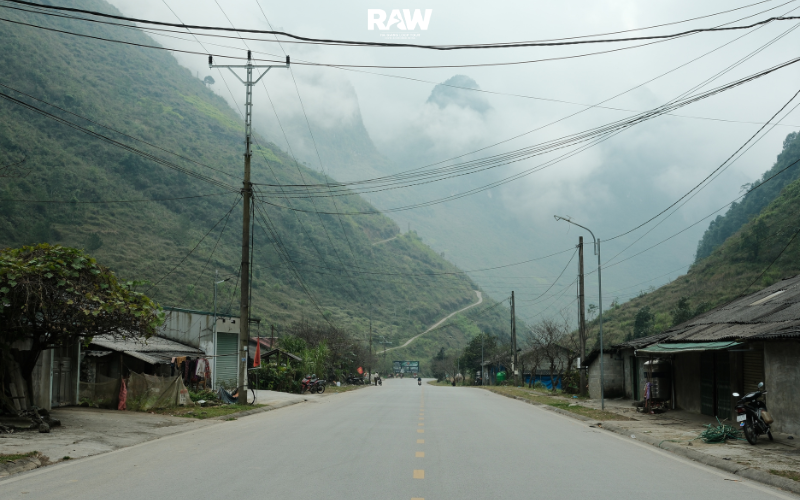
Every year, seasonal travel programs and guided loop tour itineraries are designed to offer travelers the chance to fully admire the pristine beauty of this borderland. Normally, the Ha Giang rainy season lasts from May to August, sometimes spilling over into early September. This is when sudden rain showers and thunderstorms occur frequently due to the impact of the Southwest monsoon. Most rainstorms arrive quickly and clear up just as fast; however, persistent drizzle can still last for several consecutive days.
1.2. What is special about the rainy season in Ha Giang?
The typical weather pattern involves sudden thunderstorms rolling in during the late afternoon (around 2:00 PM – 4:00 PM), pouring heavily for 30 minutes to a few hours before quickly making way for clear skies. Mornings in the highlands are mostly dry, with many days bathed in brilliant golden sunshine. Although weather is inherently unpredictable, this daily pattern is common enough for you to proactively arrange your driving schedule on the Ha Giang Loop.
Summer rain showers make the forests awake, putting on a fresh green coat, filling mountain streams, and turning terraced fields into the pouring water season (May – June), glistening like giant sky mirrors. However, rainy and humid weather also presents clear challenges for transportation. Thick fog, slippery pass roads, and limited visibility cause difficulties along the route, especially for those lacking experience driving on mountain roads. Outdoor activities such as trekking, kayaking on the Nho Que River, or cloud hunting on top of the passes need to be flexibly adjusted depending on live weather conditions.
If you are a nature lover who wants to immerse yourself in fresh, cool mountain air after the rain or capture magnificent photos of the water-pouring season, completing the Ha Giang Loop during the rainy season is a wonderful choice. This is why professional photographers frequently visit during these months to capture the Northwest forests bursting with life.
Conversely, if your trip includes elderly travelers or young children, or if you lack experience handling steep passes on two wheels, consider taking a loop tour in autumn or spring. Dry weather and gentle sunshine make the journey much lighter and more relaxed. If heavy rains are forecasted to persist due to tropical depressions or landslide warnings, proactively reschedule. If you set off, prioritize safe destinations, limit travel through high-risk pass sections during downpours, and always check local traffic updates. Safety is the ultimate principle when exploring Ha Giang during the wet season.
1.3. Temperature and climate updates for Ha Giang from August to September
1.3.1. Ha Giang weather in August: End of the rainy season, cool and pleasant air
- Average temperature: Ranges between 22°C and 30°C. In karst plateau areas such as Dong Van, Meo Vac, or Quan Ba, nighttime temperatures can drop to 18°C – 20°C, bringing a pleasant chilly feel.
- Climate characteristics: Rainfall decreases significantly compared to the peak in June and July, leaving mostly sudden late-afternoon showers. High humidity creates perfect conditions for misty clouds to drift around Ma Pi Leng Pass or Tu San Canyon in the early morning, creating a dreamy, fairy-tale landscape. The Nho Que River and Du Gia Waterfall enter their fullest water period, displaying their full, roaring majesty.
1.3.2. Ha Giang weather in September: Beginning of autumn & Golden ripe rice season
- Average temperature: Much more pleasant and cool, ranging from 18°C to 27°C. The weather turns dry with warm sunshine, eliminating summer mugginess.
- Climate characteristics: Rainfall drops sharply, giving way to predominantly sunny days. Dry pass roads make traveling the Ha Giang Loop by motorbike or car much safer and more convenient. Mild sunshine during the day and a light autumn chill at night are characteristic of the highland autumn. This is also when Ha Giang enters the golden ripe rice season across the terraced fields of Hoang Su Phi, Doc Lom, and the Trang Kim Valley.
2. Pros and cons of traveling Ha Giang in the rainy season
Summary comparison: advantages & challenges
Factor | Rainy Season Advantages | Rainy Season Challenges |
Scenery | Vibrant green landscapes, roaring waterfalls, sky-mirror terraced fields | Occasional heavy fog blocking panoramic mountain views |
Crowds | Quiet roads, no long lines at key viewpoints or boat stations | Fewer open outdoor activity options during severe downpours |
Budget | Off-peak rates for homestays, tour packages, and rentals | Potential extra expenses if weather forces schedule changes |
Road Conditions | Cool riding temperatures | Slippery asphalt, mud patches, and localized landslide risks |
2.1. Advantages of visiting Ha Giang during the rainy season
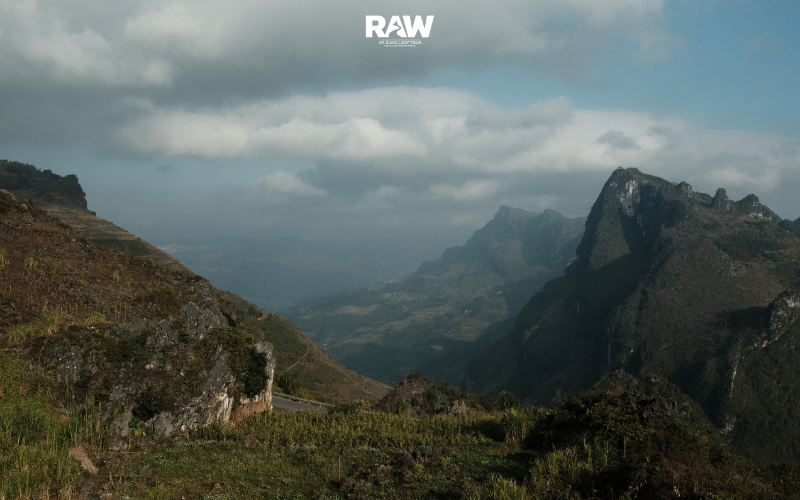
The vast green natural picture is what wows anyone coming to Ha Giang during the rainy season. After every rain shower, the mountain forests seem freshly washed, putting on a bright green coat of primeval forests, lush green cornfields, and valleys stretching to the horizon. Everything becomes fresh, brimming with life, and carries a completely different charm compared to the quiet dry season.
The cool temperature is also a major plus. While the lowlands suffer from scorching summer heat, Ha Giang enjoys extremely pleasant weather, with daytime temperatures around 24°C – 28°C and a pleasant chill at night. As a result, crossing passes or walking around becomes much more relaxing.
Additionally, the peace and quiet due to the significant drop in tourist numbers gives you back the true essence of Ha Giang. No more crowded check-in scenes at Quan Ba Heaven Gate, Lung Cu Crossroads, or long lines waiting for the Nho Que River boat ride. You can leisurely stroll through Dong Van Old Town or stop to admire the scenery on Ma Pi Leng Pass without being disturbed by crowds.
Travel costs during this season are also very budget-friendly. Since it is not peak travel season, many homestays, hotels, and vehicle rental services offer attractive discounts, helping you optimize your budget while still enjoying high-quality service.
In particular, the early rainy season (May – June) is when Hoang Su Phi enters the water-pouring season. The winding terraced fields filled with mountain stream water reflect the sky, clouds, and sunlight like countless giant mirrors amidst the wild forest, a magnificent natural masterpiece that appears only briefly each year and remains a top spot for photographers.
The vitality of the forests during this season truly explodes. Streams that flow gently in the dry season transform into cascading white waterfalls roaring with energy. Du Gia Waterfall, a must-visit spot on the Ha Giang Loop itinerary, reaches its most vibrant and energetic beauty of the year. The quietness of the low travel season also allows travelers to spend more time chatting and connecting deeply with local people at homestays, bringing truly authentic cultural experiences.
2.2. Challenges when visiting Ha Giang in the rainy season
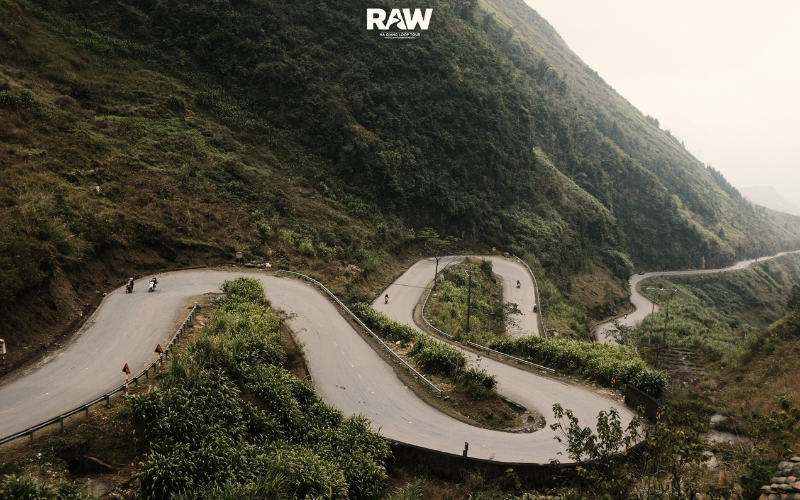
The biggest challenge when doing the Ha Giang Loop in the rainy season is the slippery pass roads and reduced visibility. After heavy rains, many sections on Doc Tham Ma, Doc Chin Khoanh, or Ma Pi Leng are often covered in thick fog, requiring drivers to be experienced and stay highly focused.
The risk of localized landslides on mountain cliffs also increases with prolonged rain. Therefore, closely monitoring weather forecasts and real-time traffic conditions before and throughout the journey is extremely important.
If you choose to travel to Ha Giang by self-drive motorbike, prepare yourself for a challenging journey. Wet road surfaces easily cause skidding, rain sticking to helmet visors reduces visibility, and bulky raincoats can make steering less flexible. When riding through continuous hairpin turns, maintaining a safe speed and keeping your distance are vital safety rules.
In addition, some experiences may be delayed or adjusted due to bad weather. Boat services on the Nho Que River may temporarily pause when the water flow is too strong, and trekking or outdoor camping schedules must also adapt flexibly to ensure safety.
Sightseeing during this season relies quite a bit on the weather. On some days, thick fog completely covers the view from Ma Pi Leng Pass or Quan Ba Heaven Gate in white. However, it is precisely those floating cloud bands wrapping around the mountain slopes and light mist hanging over the valley that create a unique, poetic beauty for the Karst Plateau. Travel time may take longer than expected due to riding slowly or stopping to shelter from the rain, so you should build a flexible schedule with an extra time buffer.
3. Comparing transportation options in the rainy season: Easy Rider & Self-Drive & Jeep
Choosing the right transport when planning your independent trip to travel to Ha Giang during the rainy season plays a decisive role in safety and the overall success of your journey.
3.1. Easy Rider Tour: The safest & most relaxing choice
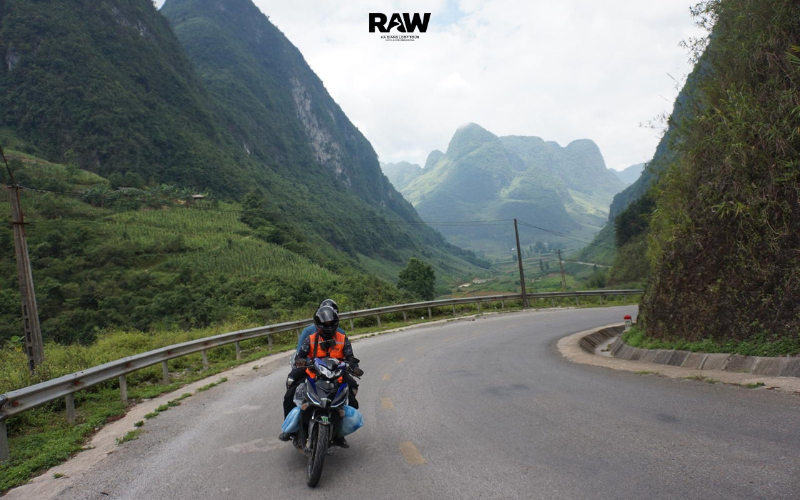
Choosing an Easy Rider loop tour means sitting comfortably behind an experienced local driver who knows every mountain curve in all weather conditions.
Expert Navigation: Drivers handle complex maneuvers on slippery asphalt, freeing you from stress so you can take photos and absorb the scenery.
Real-Time Knowledge: Local drivers know exactly which sections are slick, where landslide risks exist, and when to pause for shelter.
Cultural Connection: Your driver doubles as a knowledgeable local guide, introducing you to high-country ethnic minority traditions and authentic community life.
3.2. Jeep Tour: Maximum comfort and weather protection
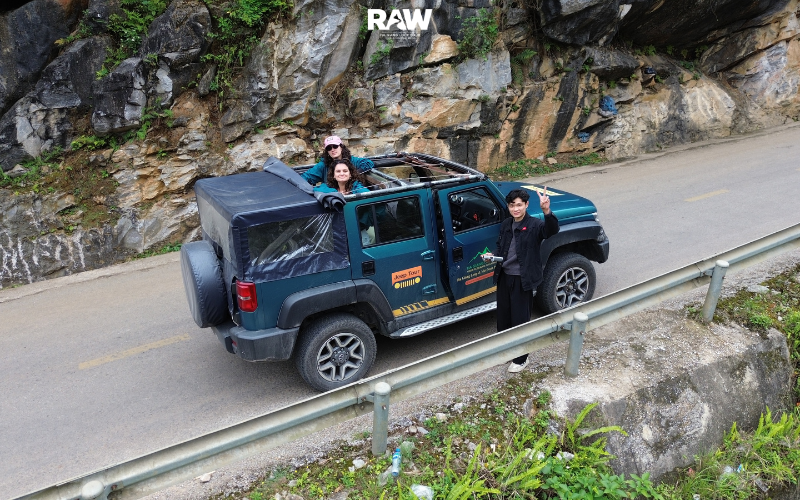
If you want to completely eliminate worries about wind and rain, a Jeep loop tour is an excellent solution.
All-Weather Shield: Stay warm, dry, and comfortable, admiring panoramic views through large windows regardless of outside conditions.
Ideal for Groups: Perfect for families, children, elderly travelers, or those uncomfortable riding on two wheels.
Uncompromised Safety: Provides stability and safety on wet, rugged mountain roads while retaining an adventurous feel.
3.3. Self-Drive Motorbike: Strictly for confident & experienced riders
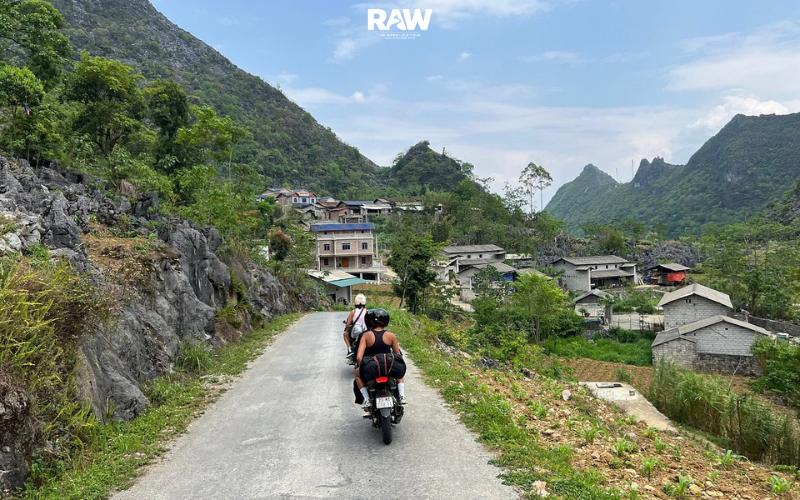
Riding the Ha Giang Loop independently offers ultimate freedom to stop, explore, or take shelter whenever you choose.
Prerequisites: Requires advanced motorcycle handling skills, prior mountain riding experience, and total confidence on sharp hairpin turns.
Essential Precautions: Demand proactive risk management—check live forecasts, consult locals regarding pass conditions, and avoid riding during severe downpours.
4. Top must visit spots & experiences in Ha Giang during the rainy season
Hoang Su Phi Water-Pouring Season:
Located in western Ha Giang, Hoang Su Phi displays a captivating pristine beauty during the rainy season. Winding terraced fields filled with mountain stream water create a beautiful harmony between brown soil, green sprouts, and glistening water reflecting cloud-filled skies.
Emerald Green Nho Que River in the Wild Forest:
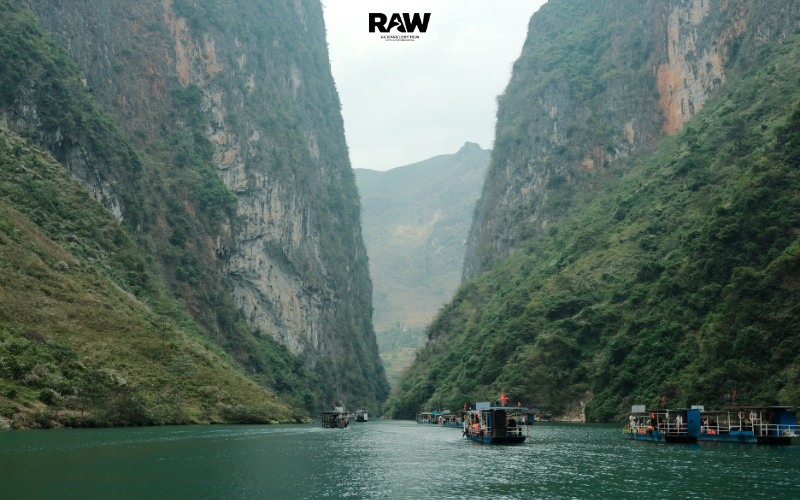
In the rainy season, although there are days when the river water carries light silt, it quickly returns to its signature emerald green color. Looking down from Ma Pi Leng Pass, the Nho Que River looks like a soft green silk ribbon draped across the majestic Tu San Canyon.
Ma Pi Leng Pass in Summer:
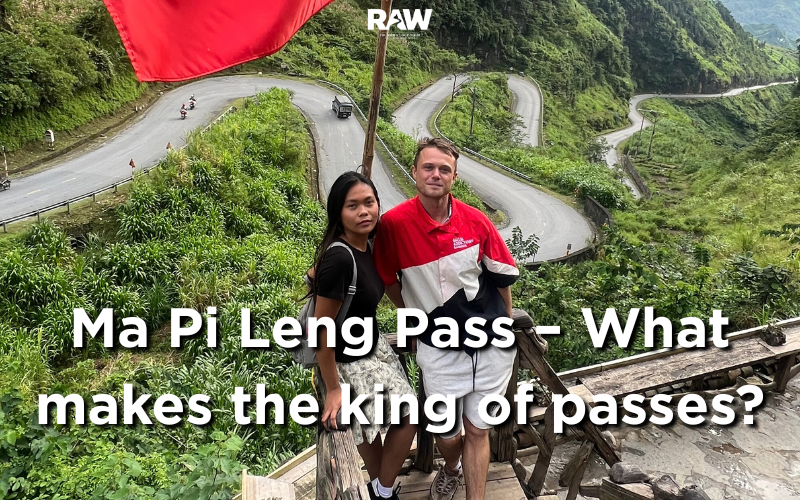
One of the “Four Great Mountain Passes” of Vietnam puts on a raw yet fresh beauty. Dark gray limestone rocks are covered with green moss and vibrant cornfields clinging tightly to the mountain slopes.
Misty Dong Van Karst Plateau:
Dong Van appears amidst sudden rain showers in its own quiet, poetic beauty. Overlapping stone mountains hide and appear behind light layers of mist, offering a scene that feels both grand and surreal.
Sacred Lung Cu Flag Tower:
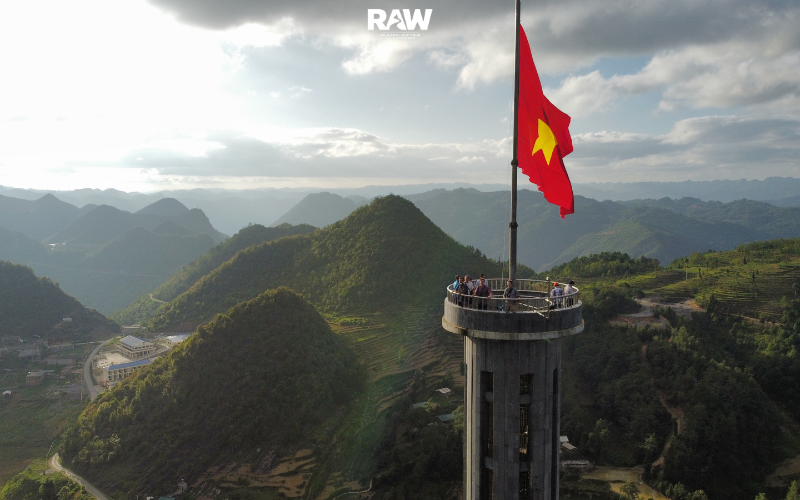
The northernmost point of Vietnam becomes quieter and more peaceful in the cool mountain breeze. The red flag with its yellow star flies proudly against the misty sky, with H’Mong and Lo Lo villages nestling below.
Vuong Family Mansion (H’Mong King Palace):
Built from blue stone, precious wood, and thick yin-yang roof tiles tucked inside Sa Phin Valley, the entire mansion stays dry, serving as a fantastic rain shelter where you can learn about highland history.
Pả Vi H’Mong Cultural Tourism Village:
Located at the foot of Ma Pi Leng Pass, these homestays built in sturdy traditional architecture alongside clean paved paths are ideal places to rest, sip hot tea, and slow down to feel the mountain pace.
5. Suggested optimal itineraries for Ha Giang rainy season
5.1. 3 Days 2 Nights Ha Giang Loop Tour – Small Group by RAW
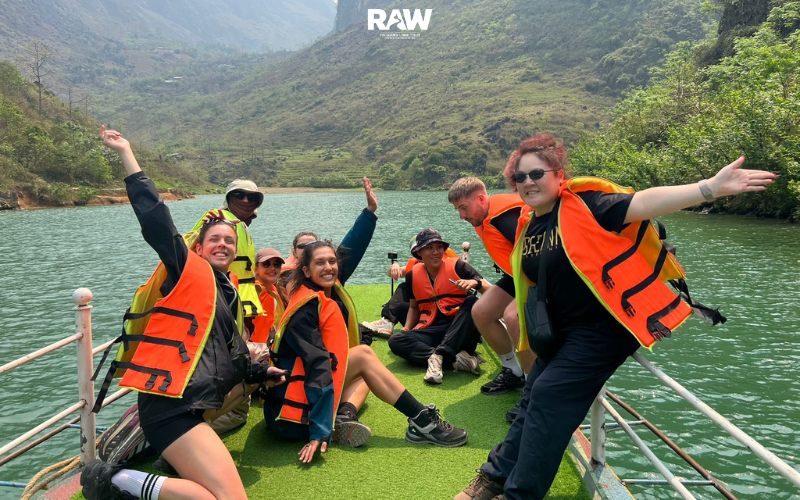
his is a small group tour (around 6 guests/group) built with a true experiential travel spirit, avoiding noisy party crowds. The journey takes travelers through the most majestic routes on the Ha Giang Loop under the guidance of professional local Easy Riders and dedicated English-speaking tour guides.
Itinerary:
Ha Giang City → Thai An → Du Gia → Meo Vac → Nho Que River → Ma Pi Leng Pass → Dong Van → Vuong Family Mansion → Doc Tham Ma → Lung Tam Linen Village → Quan Ba Heaven Gate → Ha Giang City.
Why this 3D2N Loop Tour is Ideal for the Rainy Season
- Small Group Size (~6 Guests): Keeps travel flexible, eliminates traffic build-up on narrow passes, and allows guides to closely monitor individual safety on wet roads.
- Professional Easy Riders: Removes riding stress, allowing travelers to enjoy sights and take photos safely regardless of road moisture.
- Smart Reverse Route (Thai An – Du Gia First): Prioritizes Du Gia Waterfall and the Nho Que River early when water levels are at their fullest and most impressive.
- Curated Indoor Stops: Integrates sturdy cultural stopovers—such as the Vuong Family Mansion and Lung Tam Weaving Village—providing warm rain shelter without disrupting the travel itinerary.
5.2. Ha Giang – Cao Bang 5 Days 4 Nights Tour (Private Tour by RAW)
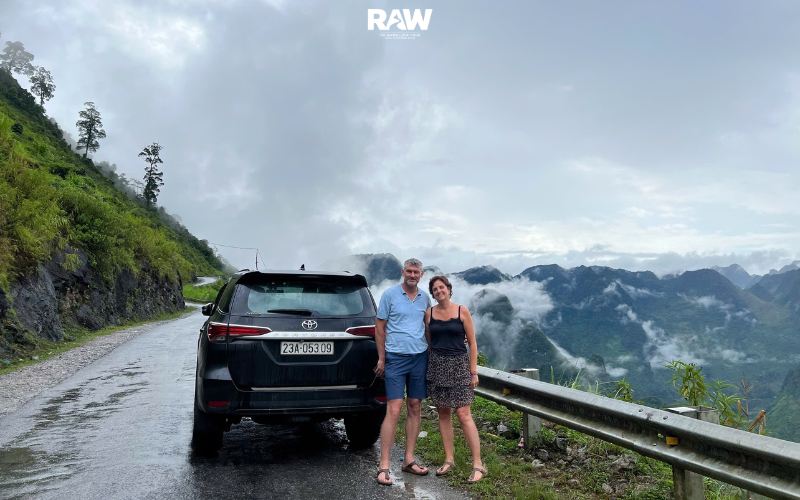
A 5 day 4 night private tour designed for travelers looking to fully conquer two heritage regions in Northeast Vietnam: Ha Giang and Cao Bang. The tour is fully package-arranged from private room accommodations to flexible transport options (Motorbike Easy Rider or Private Car Tour), taking travelers from the Dong Van Karst Plateau to Ban Gioc Waterfall and the spectacular 14-tier Khau Coc Cha Pass.
Itinerary:
Day 1: Ha Giang City → Quan Ba → Doc Tham Ma → Vuong Family Mansion → Dong Van Old Town.
Day 2: Dong Van → Nho Que River → Meo Vac → Bao Lac.
Day 3: Bao Lac → Khau Coc Cha Pass → Lenin Stream → Pac Bo Cave → Cao Bang City.
Day 4: Cao Bang City → Angel Eye Mountain → Ban Gioc Waterfall → Khuoi Ky Stone Village.
Day 5: Khuoi Ky Village → Phja Thap Incense Village → Cao Bang City.
Cost:
By Motorbike (Easy Rider): 13,950,000 VND/person.
By Private Car / Car Tour: 15,350,000 VND/person.
Why this 5D4N Tour Works Exceptionally Well in the Wet Season
- Peak Waterfall Views: May to August brings maximum water volume to Ban Gioc Waterfall and regional rivers, presenting spectacular cascading white water impossible to see during dry months.
- Private Car Flexibility: Opting for a private vehicle tour completely eliminates exposure to rain, keeping your group dry, warm, and secure.
- Relaxed Daily Distances: Covering 90km to 160km per day provides ample buffer time to wait out sudden afternoon downpours without rushing over passes.
- Cozy Authentic Accommodations: Includes private rooms and traditional homestay visits in stone villages like Khuoi Ky, offering comfortable, dry places to rest each evening.
6. Safety tips for traveling Ha Giang in the rainy season
To stop worrying about whether you can travel to Ha Giang in the rainy season, packing properly is key to staying proactive in any situation. Based on the rainy season travel experience on the Ha Giang Loop, you don’t need to pack too much, but every item brought along should suit wet mountain pass conditions.
Specialized Two-Piece Raincoat: Choose a fitted jacket-and-pants set made from high-grade waterproof material. Avoid thin poncho-style raincoats, which catch wind and flap dangerously while riding mountain curves.
High-Traction Footwear: Wear sneakers or hiking boots equipped with deep rubber tread for grip on wet rocks and mud. Pack quick-drying sandals for comfortable evening use at homestays.
Quick-Dry Clothing: Focus on lightweight synthetic fabrics and windbreakers that dry rapidly. Bring a warm layer, as high-altitude evenings drop in temperature.
Waterproof Dry Bags: Secure electronics, cameras, passports, and dry clothing inside sealed waterproof bags or dry sacks within your main luggage.
Personal First-Aid Kit: Carry basic medications (cold remedies, pain relievers), bandages, insect repellent, and warming essential oils (like eucalyptus or ginger oil) to warm up after chilly rides.
7. Who should travel to Ha Giang during the rainy season?
7.1. Who should go to Ha Giang in the rainy season
If you belong to one of the following groups, traveling Ha Giang during the rainy season is an amazing adventure made for you:
You are an adventure lover at heart: Misty mountain pass roads and wild karst cliffs after rain carry an irresistible charm, awakening your instinct to conquer.
You are seeking a quiet, peaceful space: You want to enjoy a calm Ha Giang without crowds, leisurely sipping tea in Dong Van Old Town or taking in the scenery without pushing through busy spots.
You are a photography enthusiast: The rainy season rewards photographers with misty cloud bands floating across mountain slopes, mirror-like terraced fields during the water-pouring season, and the full green Nho Que River.
You prioritize safe travel options: You are happy to travel alongside experienced local Easy Riders or choose the warm, relaxing comfort of dedicated Jeeps or cars.
7.2. Who might not be suitable for this season
Truth be told, Ha Giang in the rainy season is not for everyone. It is truly magical for the right travelers, but it can cause quite a bit of annoyance if you are not mentally prepared. You should reconsider if you are:
A traveler who demands perfect weather for every photo: If cloudy skies or sudden rain showers ruin your mood, be patient and wait until autumn (from September to November)—the season of dry, golden sunshine and clear blue skies.
A rider with weak driving skills or nervousness on mountain passes: The rainy season turns already challenging mountain roads slippery. If taking pass curves under normal conditions makes you anxious, adding rain and moisture will turn the trip into a stressful ordeal rather than an enjoyable ride.
A traveler with a tight schedule and no time buffers: If you must complete the Ha Giang Loop according to an exact minute-by-minute schedule with zero room for delay, the rainy season carries too many weather-related risks for your plan.
Someone who strongly dislikes wet or cold feelings: When traveling in the highlands during the rainy season, getting a bit damp or dealing with slow-drying clothes at homestays is hard to avoid. If these inconveniences ruin your experience, it is best to wait for the dry season.
A traveler on a tight Cross-Vietnam itinerary: When Ha Giang is just a quick stopover in a long, strictly scheduled travel plan, a minor delay due to weather can cause a domino effect on your pre-booked flights or hotel reservations.
8. Is the Ha Giang loop worth it in the rainy season?
Traveling through Ha Giang during the rainy season is not a standard, predictable holiday. It is an immersive journey for travelers eager to experience raw mountain beauty, dramatic clouds, and vibrant green landscapes.
Equipped with proper gear, realistic expectations, and an experienced local guide or Easy Rider loop tour, riding the Ha Giang Loop in the wet season provides a serene, powerful, and unforgettable highland experience.